©2022 Snapping the Globe, L.L.C. All rights reserved.
Crowded vaporettos and August heat…it’s a wonder why anyone makes the trip to the Venetian islands during the summer months!
But with risk comes reward…
Having done the quickie tour of the Venetian islands the week before with some members of my crew, I had observed the uniqueness of Burano, Murano and Torcello and desired to share their beauty with my husband. On that particular trip, we had stopped for a short time on each island, but this time, I wanted to concentrate on only one. Burano, the island of color! With only having had such a short time in Burano, I was looking forward to seeking out every nook and cranny of the vibrant place with no eye on the clock.
Sweating profusely while in almost a full run to make the 9:40a.m. ferry at the Fondamente Nove vaporetto stop, I fully expected a particular question from my husband. It didn’t take long after we arrived…”So why aren’t we going to Murano? I have always wanted to go there.” Since I had visited Murano twice before, I really didn’t want to waste time being escorted into one of the glass blowing demonstrations that I had experienced on my past trips and besides, it was my birthday! I thought that I was going to get to do what I wanted to do!
Putting myself in his shoes, I realized that he doesn’t get to travel like I do and it might be a long time before he gets to come back. I decided to change the plan and told him that we would make the stop in Murano on the way back to the Venice later in the day, even if it was just for a short while.
Soon, we were on our way, squeezed into a row of seats, but thankfully near a window so that we could at least get some air while beads of sweat formed on our foreheads and rivers poured down our backs. The forty minute ride couldn’t have ended quickly enough and breathing a sigh of relief, we set foot on the dock and followed the crowds into the middle of the small village.
The brightly painted houses and shops were awaiting our arrival and we posed on every little bridge for a photo and walked down every small alleyway and canal. My husband was impressed with the intensity of the hues of all of the buildings, but mostly, he was checking out the boats parked in the canals!


After the obligatory photo of my husband pretending to hold up the leaning Il Campanile Storto, we headed in search of Bepi’s House. Not sure what we would find, we knew we had stumbled upon it when we spotted some Instagrammers trying to get the perfect shot.

While multiple hues abound in Burano, the house of Bepi Suà is the most colorful building on the island, decorated with geometric patterns such as circles, squares, and triangles in hues of yellow, orange, red, blue and green. Bepi, born Giuseppe Toselli, was a lover of painting and movies. After his position at the Cinema Favin was eliminated, he began to sell sweets in Galuppi Square and became known as Bepi of Candies. He soon began hosting an outdoor cinema at his house with a white sheet hung on the outside wall for the neighborhood children. Those same children remember him as a the strange man who was always painting new, colorful geometric shapes on those same walls each afternoon. The exterior was everchanging until his death in 2001.

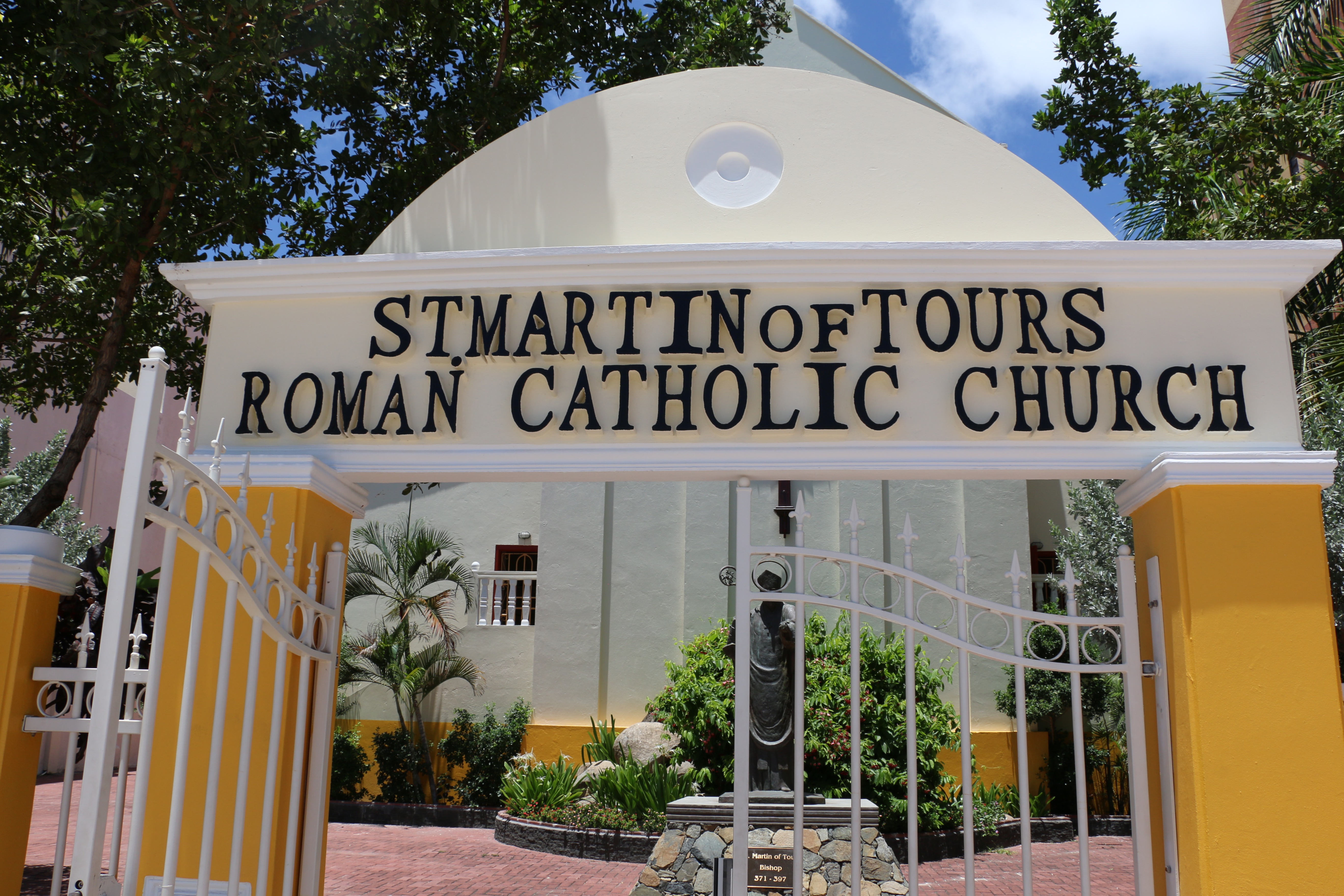
We continued our explorations (with a quick stop for lunch and gelato, of course!) and ended up back at the Il Campanile Storto and its accompanying Church of Saint Martin Vescovo. Entering the church through its Renaissance styled doorway, it was quite interesting to note that the church really had no façade…only a doorway. Established in 1000, it was finally consecrated in 1645 by the Bishop of Torcello. Restored several times over the years, the main aisle and the pipe organ were destroyed by a fire in 1913, a tremendous loss as it was created by Callidio in 1767 and was considered to be one of the greatest masterpieces of the church. Other artistic pieces to seek out today, however, are the statue of Madonna in the atrium and statues of Sant’ Albano and San Martino, on the sides of the tabernacle, by Girolamo Bonazzo and a bronze statue of the “Risen Christ” over the tabernacle. Today, the church is a modest one mostly known for its 18th century leaning bell tower.


The Chapel of Santa Barbara was a short distance away…like next door. While quite small, it serves its purpose as a place of prayer and has its own small bell tower.

Feeling as though we had finally seen the entirety of Burano, we headed to the dock and took our place in the long line while waiting for the vaporetto.
While relief from the hot sun would have been wonderful, it was now time to crowd onto the vaporetto to fulfill my husband’s Murano dream…the least I could do!
Thank goodness it was a short ride!
For more pictures, check out Facebook, Snapping the Globe and Instagram, @snappingtheglobe.
Il Campanile Storto
- Piazza Baldassarre Galuppi, 20, 30142 Venezia, VE, Italy
- Hours: 24 hours, daily
- Admission: free
Bepi’s House
- Address: Corte del Pistor, 275, 30142 Venezia, VE, Italy
- Hours: 24 hours, daily
- Admission: free
Church of Saint Martin Vescovo
- Address: Piazza Baldassarre Galuppi, 20, Venice, VE Italy, 30142
- Hours: 0800-1200 and 1500-1900, daily
- Admission: free
Chapel of Santa Barbara
- Address: Piazza Baldassarre Galuppi, 22, Venice, VE Italy, 30142
- Hours: 0800-1200 and 1500-1900, daily
- Admission: free


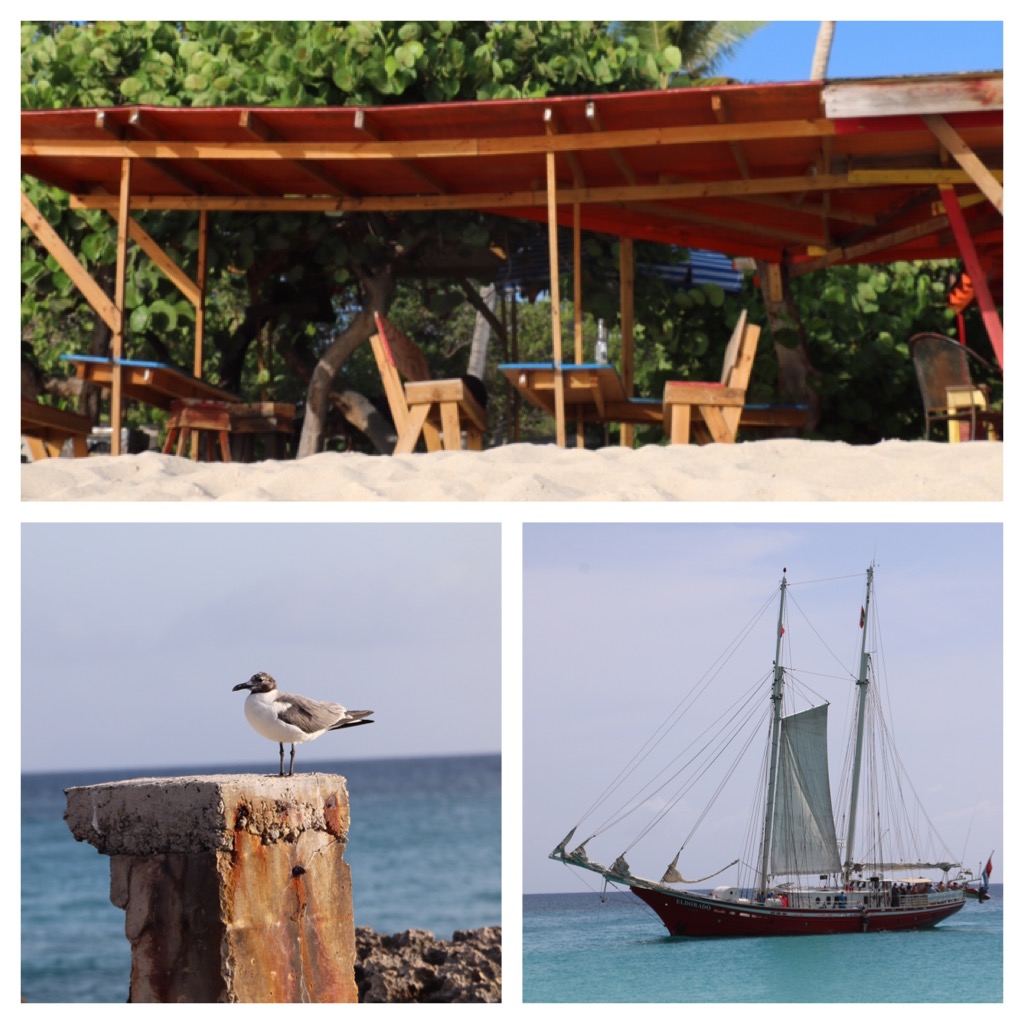
 After our swim back to the Bad Kitty 2, we were on our way once again with a seagull riding the wind behind us. Our next destination, Salt Island and the wreck of the RMS Rhone.

 Since, our lunch orders had been called in to the restaurant earlier in the day, we were all seated and served quickly, helping to keep us to our tight schedule.
 The sun was bright, the sands warm, the water cool, the music blaring and the booze flowing…how much more fun can you have?
 Sadly, our day was drawing to a close. Climbing on board the Bad Kitty 2, we watched the colorful bars grow smaller as we headed into the deep blue waters of the Caribbean and the setting sun.
 St. John was our final stop in order to clear customs back into the United States before heading back to St Thomas. The U.S. is a little more strict than the BVI so tipsy or not, we all had to cover up, act sober, making our way onshore, passports in hand and clear customs.


 Originally, settled by the Arawak and Carib Indians, the United States purchased St. John from the Danish West India and Guinea Company in 1917. In 1956, over 5,000 acres of land was donated to the National Park Service by Laurance Rockefeller, assuring it natural preservation.


 ‘After a few rain showers blew through and the skies decided to remain cloudy, I persuaded my family that we should drive into town to see the fort…the fact that there is a souvenir market next door and the promise of some cool t-shirts cemented the deal.

 A basic square structure with stone curtain walls and diamond-shaped stone bastions at the corners, the Tyygborg tower and north curtain were eventually demolished as well as other parts of the fort. The current Gothic Revival structure, with its Victorian clock tower, which serves as an entrance, was eventually built to replace the north curtain in the 18th century. Today, the bastions and the rooftop can be accessed as well as the living quarters that were later added.
 We enjoyed visiting the lower level which houses former cells, displays detailing the fort’s history, chapel and the living quarters. These areas are filled with antiques and gives an idea of the living standards at the time. We did not have a tour guide as we arrived just before three o’clock (last admitting time) however, having an escort would have been a benefit in learning more about the history of the structure and the role it played in protecting the island’s harbor.


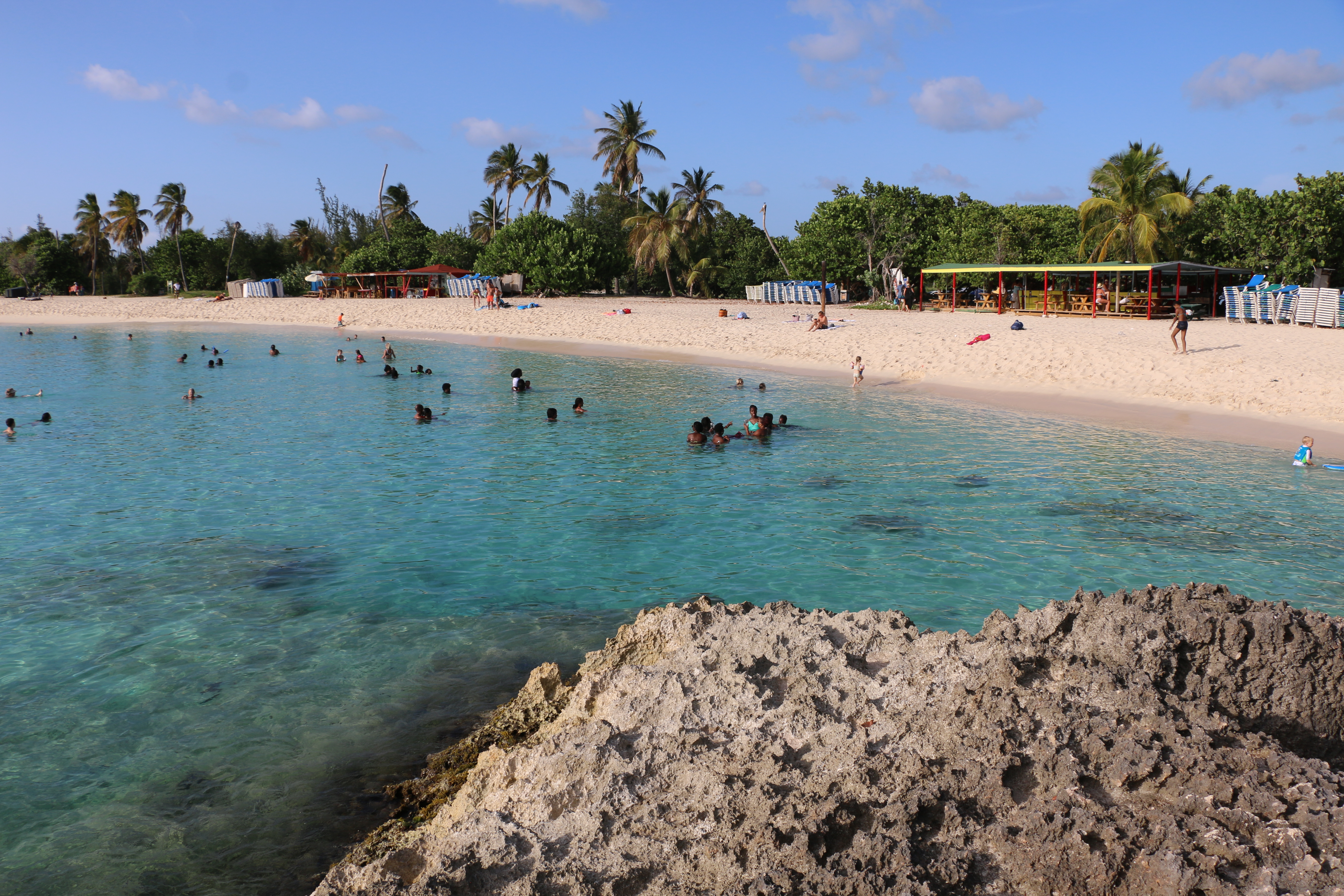
 Though our condominium was located on stunning Sapphire Beach, known for its snorkeling, it was advantageous to have a car in order to experience some of the other beaches located throughout the island.


 Magen’s Bay public park was donated to the people of the Virgin Islands by Arthur Fairchild and consists of a one mile of white sand beach, a six-acre arboretum with trees from four tropical continents, a two-acre camping ground, five acres of coconut groves and fifteen acres of mangroves and wetlands. It is the only beach on St. Thomas that charges an admission fee which is used to maintain the facilities and the beach.
 After relaxing for a while, we then grabbed our snorkels and dove in, eager to see what was below the water’s surface. While our waters at Sapphire Beach offered an amazing amount of coral and marine life, sadly, Magen’s Bay did not. A bit more coral borders the rocky outcropping at each end of the beach, but the most impressive thing we encountered was the large, shoaling silver-side fish whose location was apparent by the diving seagulls.
 After Magen’s Bay, trying to decide on another beach was tough. Would any other measure up?

 If you get tired of the atmosphere here, you can wander next door to Coral World where you can come face-to-face with sharks and other underwater creatures. Swimming with sea lions or touching turtles…there’s much to learn about the underwater life that inhabits the waters around St. Thomas. Descend fifteen feet in the undersea observatory tower to marvel at the coral reef, schools of silversides and other fish or take an hour-long cruise on the park’s semi-submarine.