
© 2016 Snapping the Globe, L.L.C. All rights reserved.
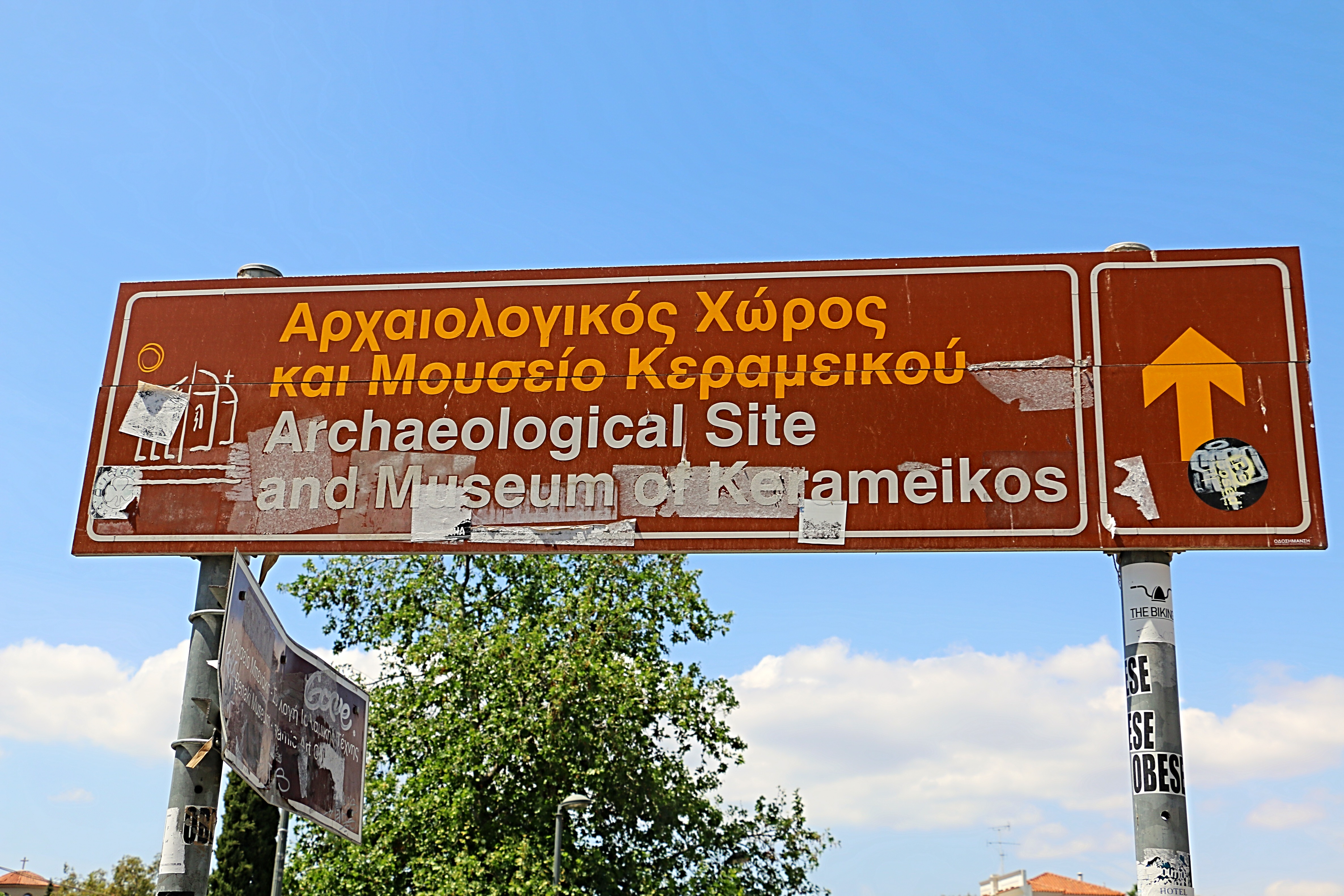
Having visited Athens on many occasions, I have seen the Acropolis, more than once, as well as many of the archaeological sites throughout the city. After a bit of research, I discovered one archaeological site that I had not explored on my other sojourns…Kerameikos, the thirty centuries old cemetery located on the northwest fringe of the city.
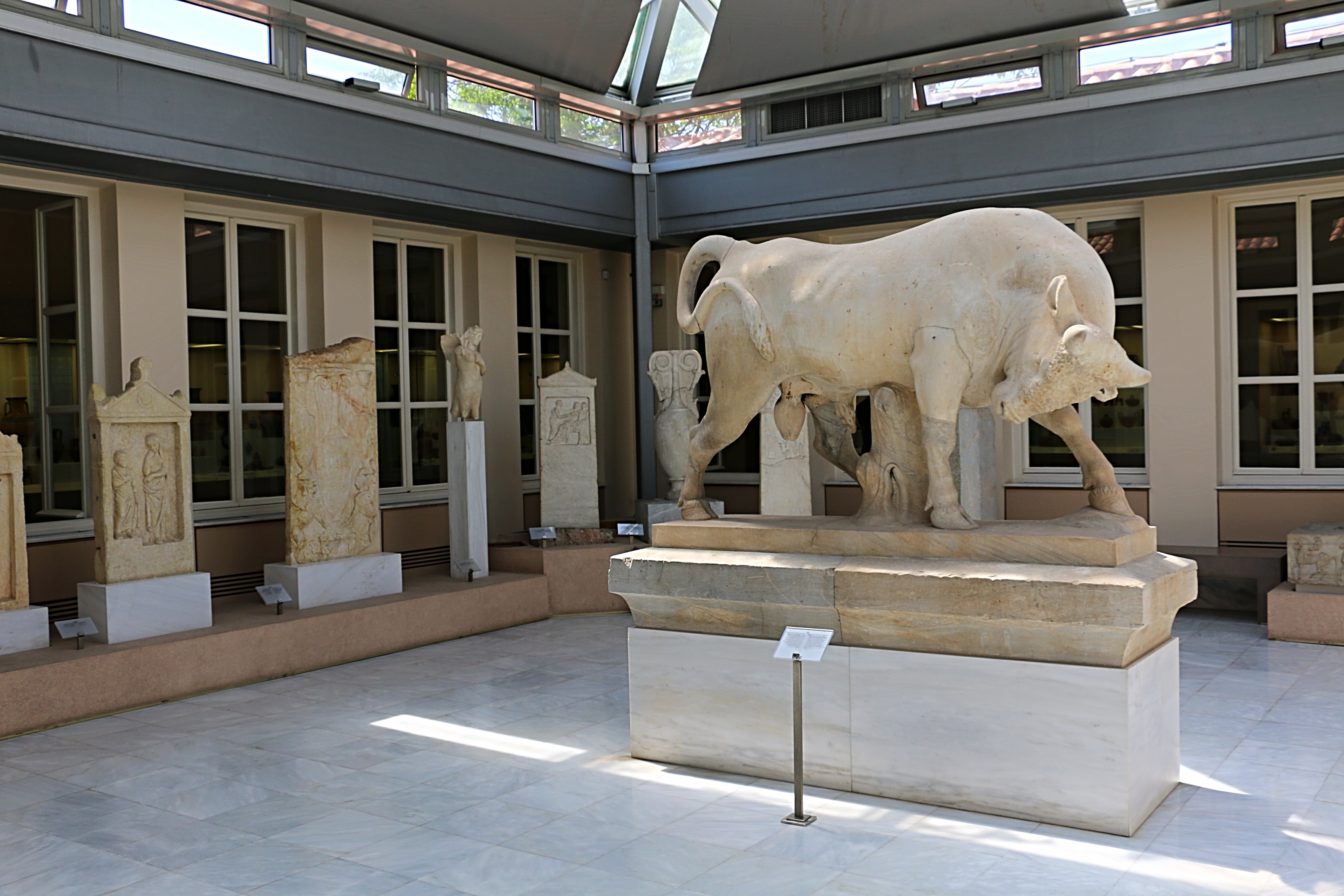
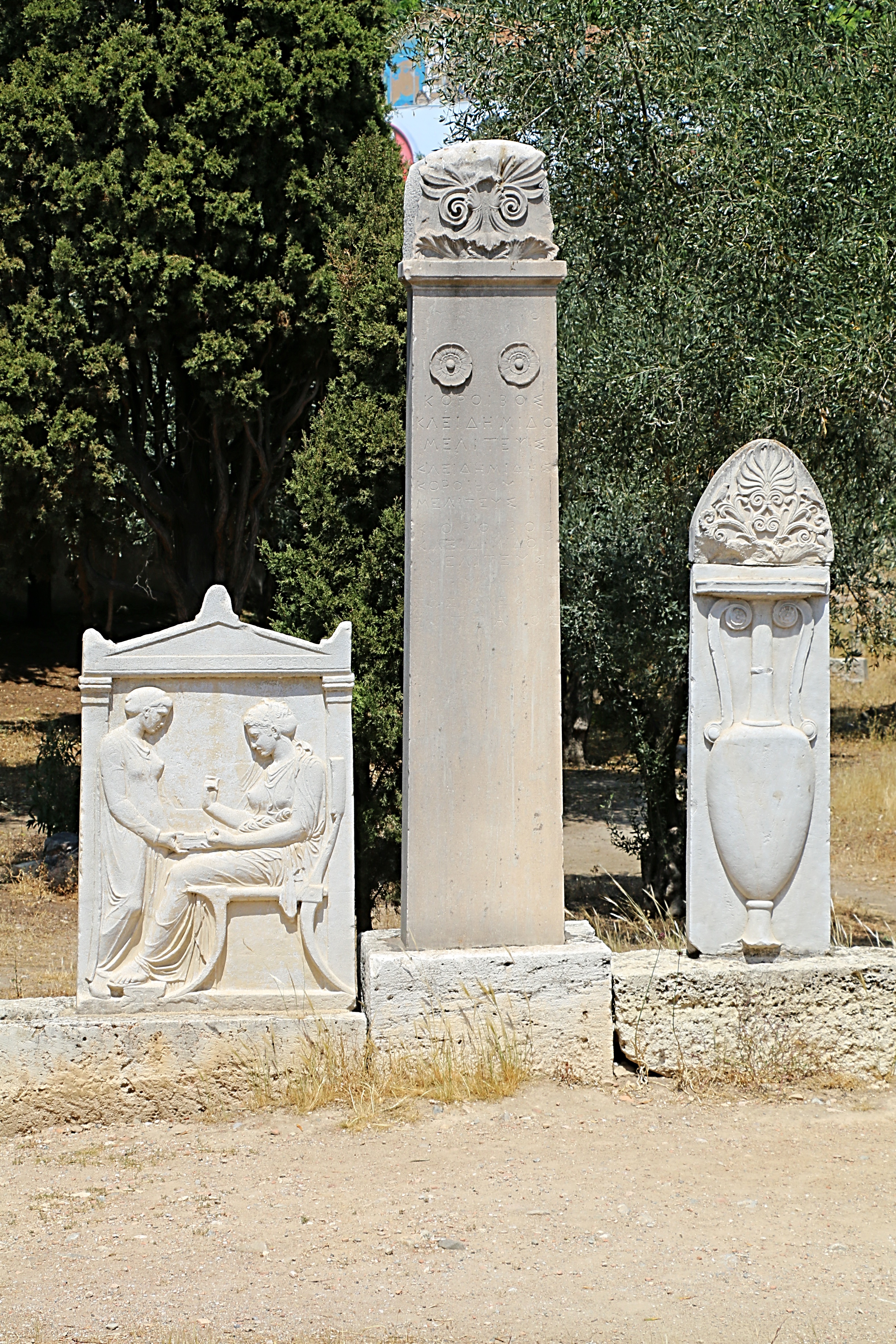
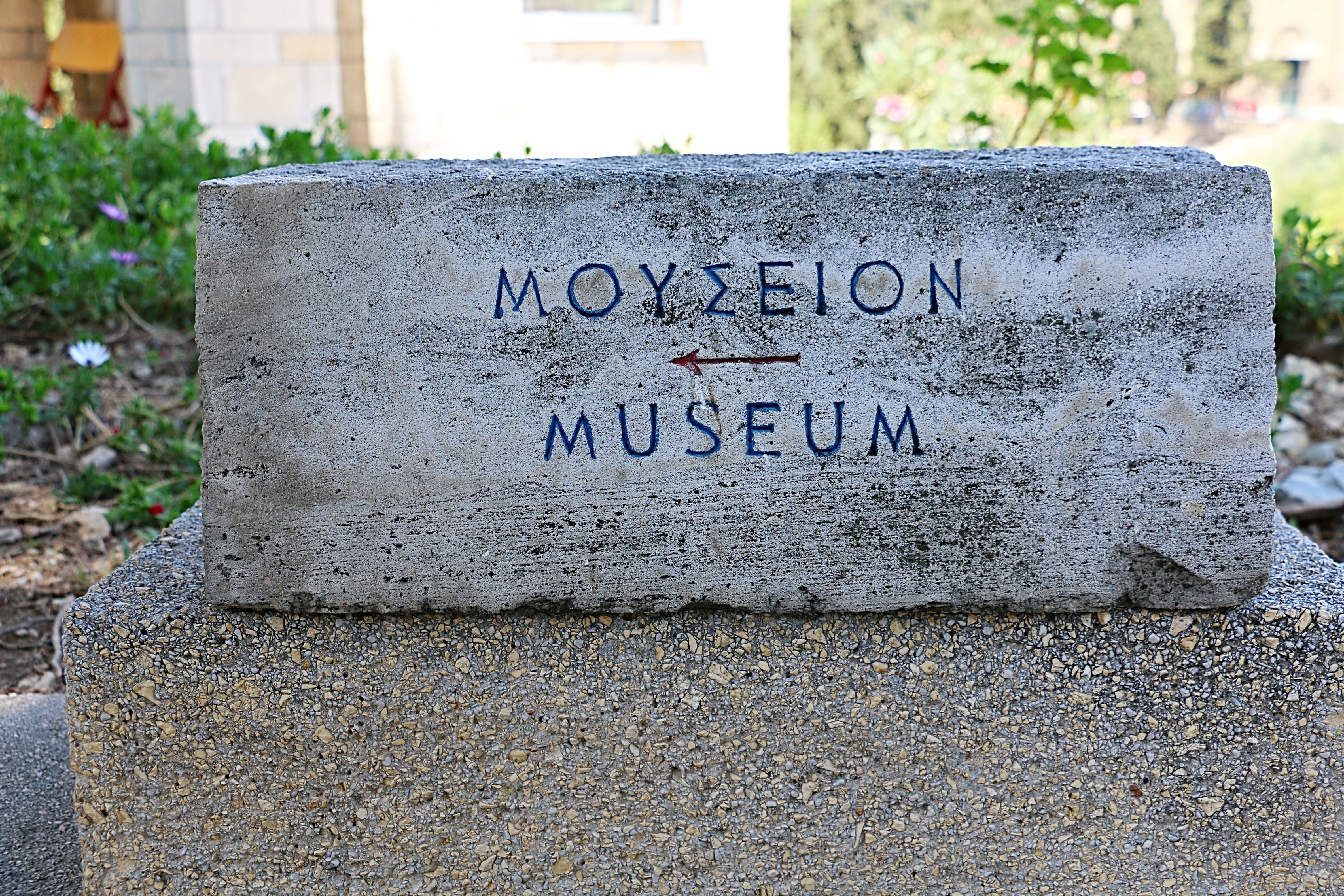 After paying my entrance fee of 2 euro, I made my way to the neo-classical styled museum. Informed by the ladies in the ticket office that the museum would take about 40 minutes, I started first by inspecting the statuary located outside under the portico, then finally moving in to the interior. Here, there is a vast display of burial-related artifacts, including marble sculptures, funerary urns, pottery, jewelry and toys. Most notable is the stunning bull, in the interior courtyard, from the tomb of Dionysios of Kollytos. A large number of original burial monument sculptures and grave markers are displayed at the museum in the outer courtyard, with plaster replicas replacing in them in their original sites.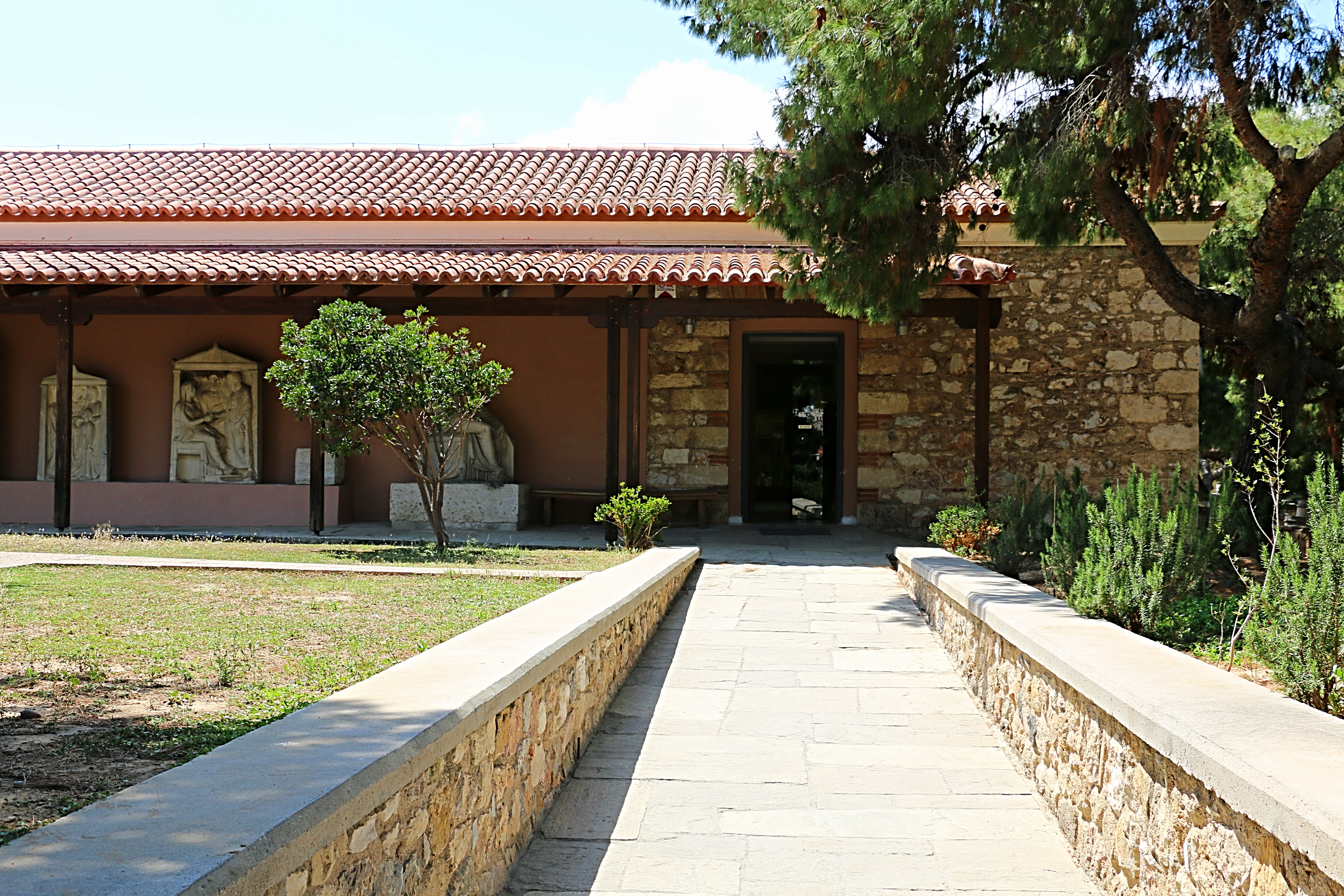
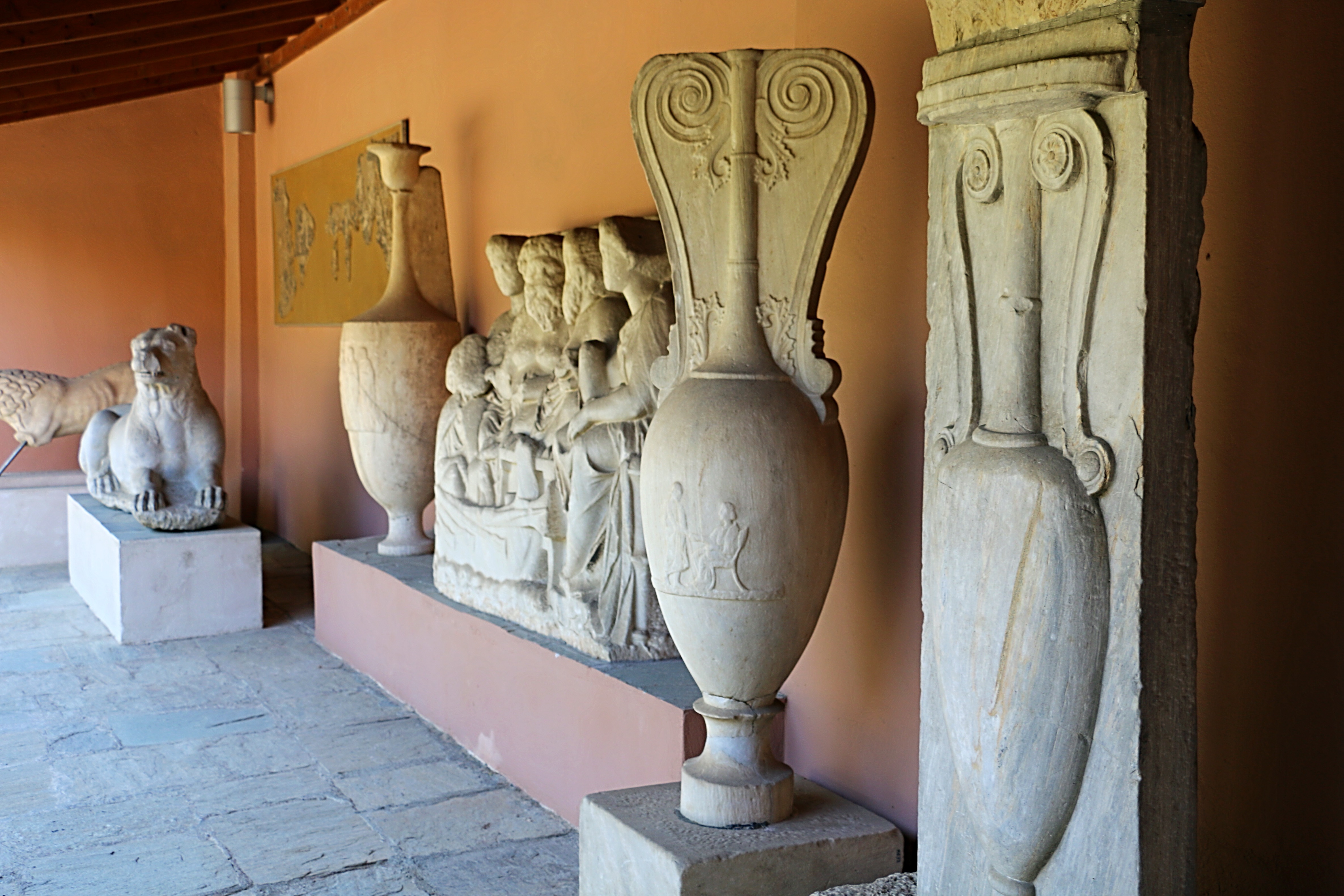
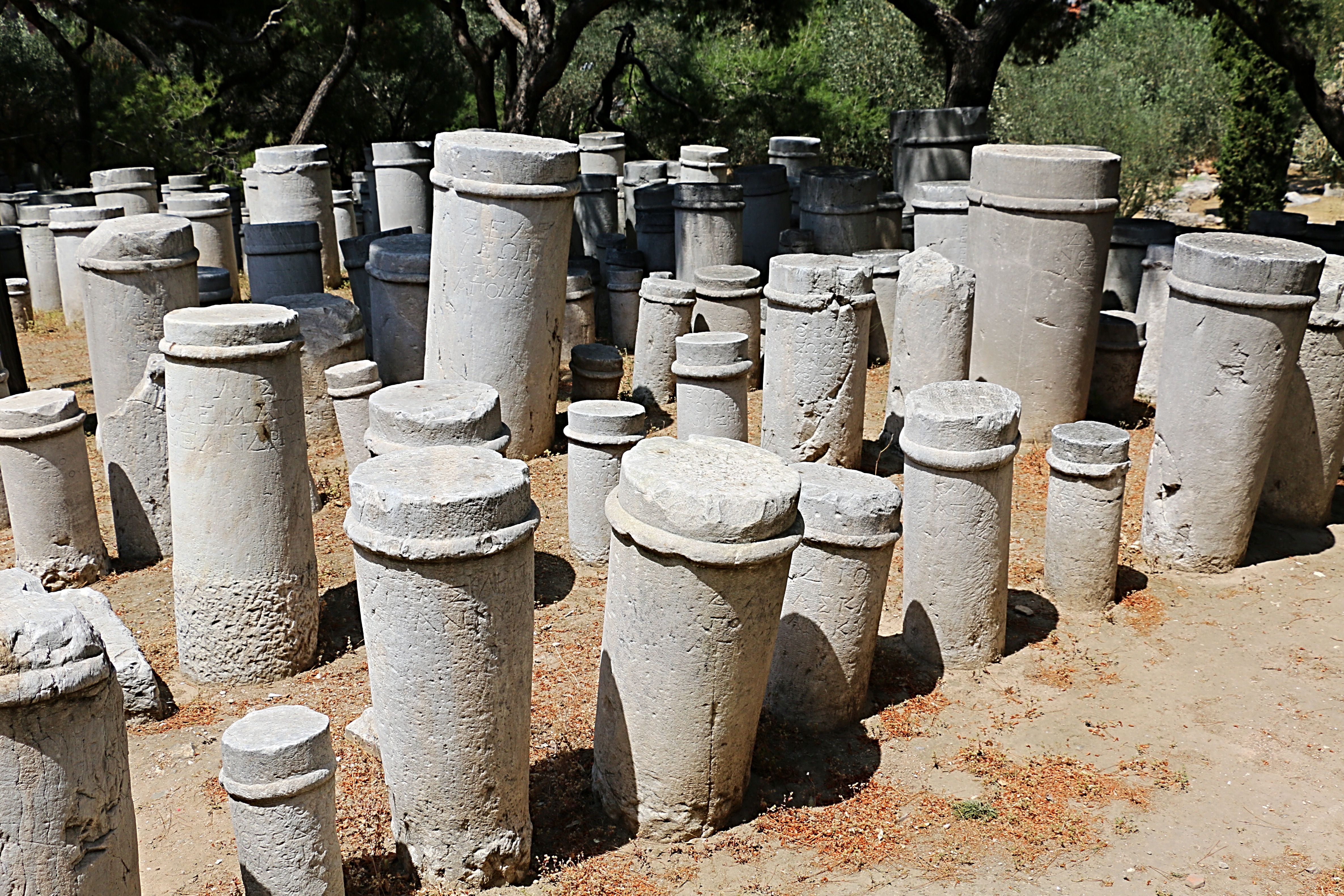
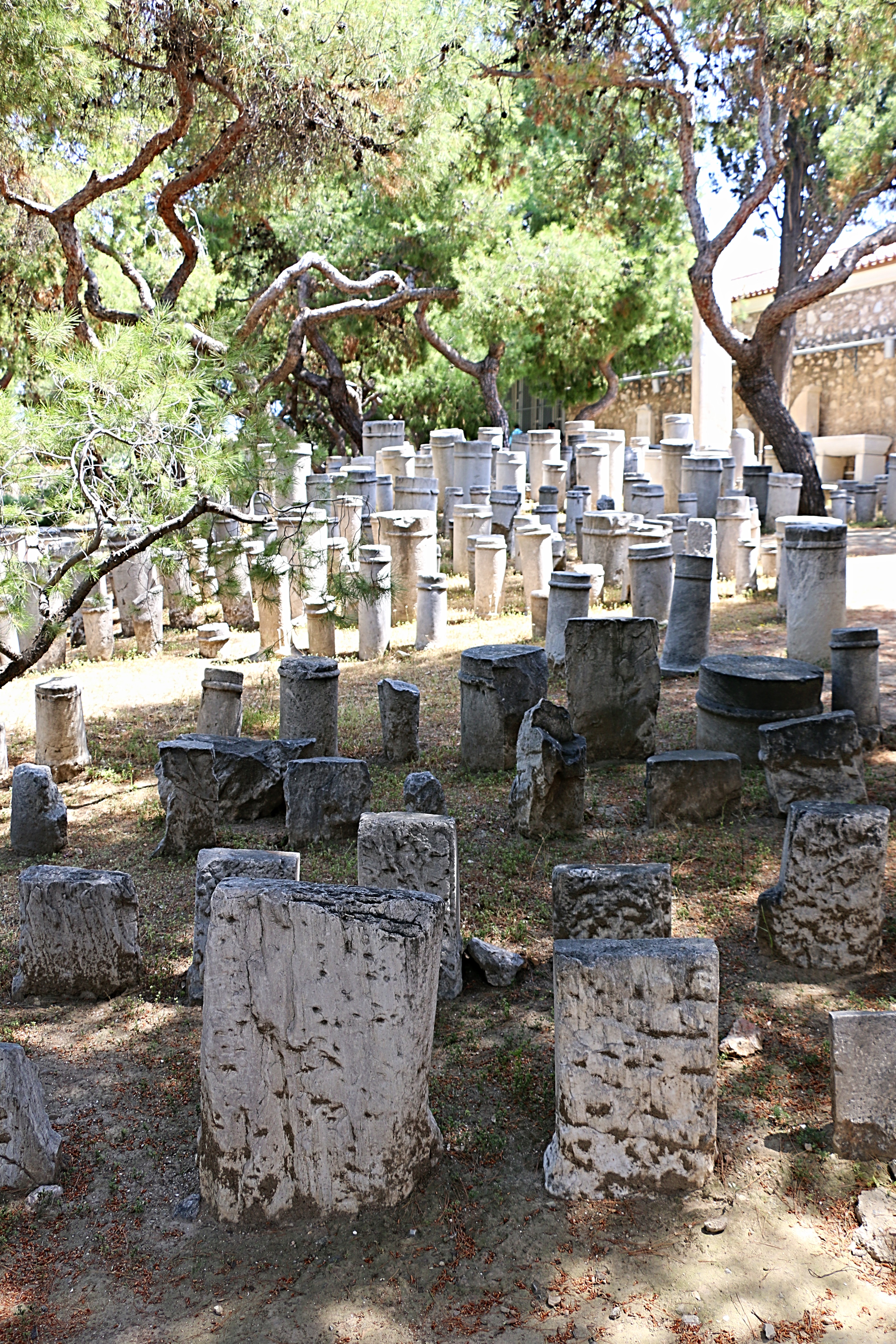
The immense number of grave markers, located just outside of the museum are small and plain and not quite what one would expect in a graveyard, resembling more of an ancient road marker or small sign post. These stark gravestones resulted from a a decree in 317 BC that prohibited more elaborate monuments, such as those with statues, that were in vogue at the time. After passing the grave markers while exiting the museum, I moved out to the paths that clearly define and move you throughout the site.
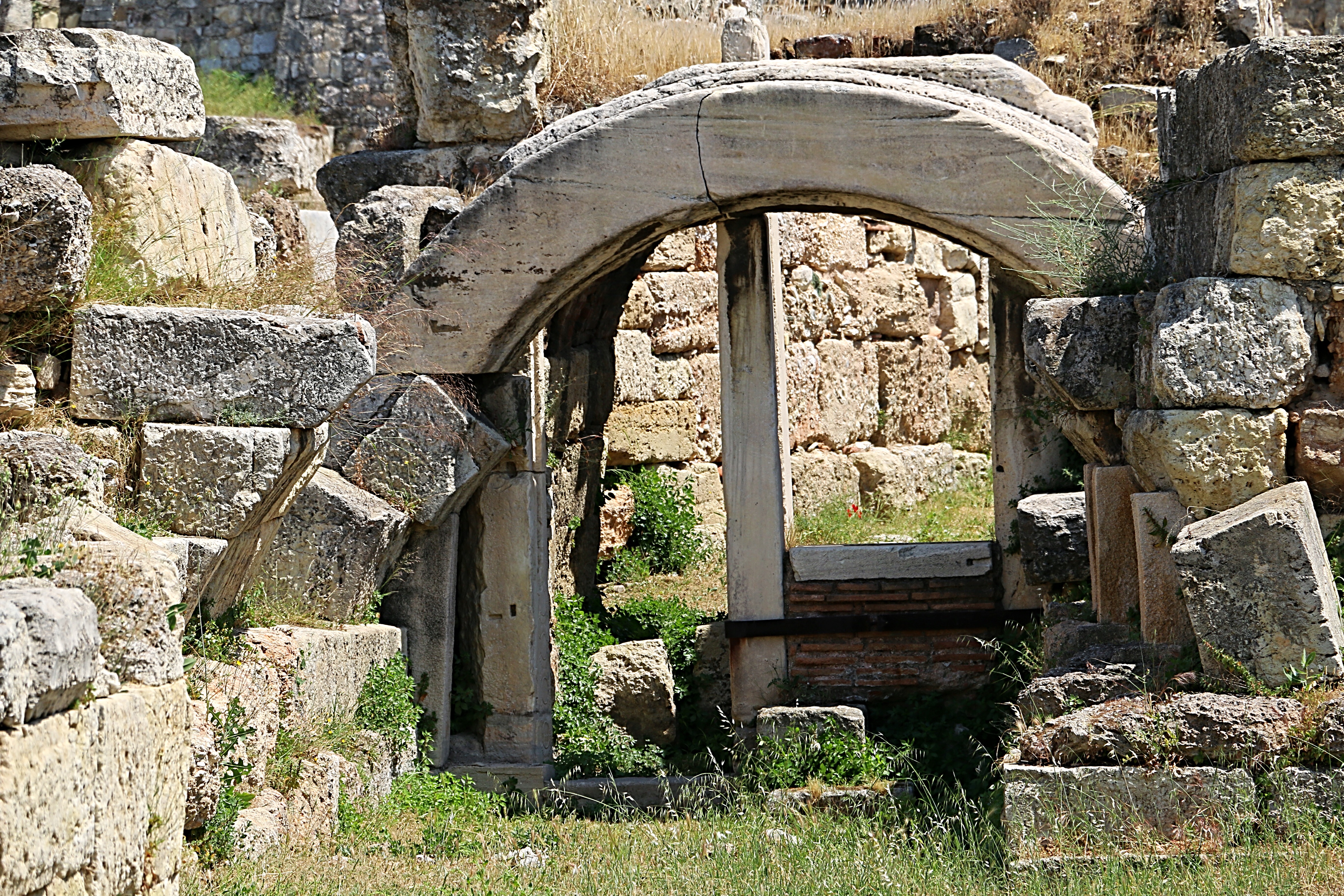
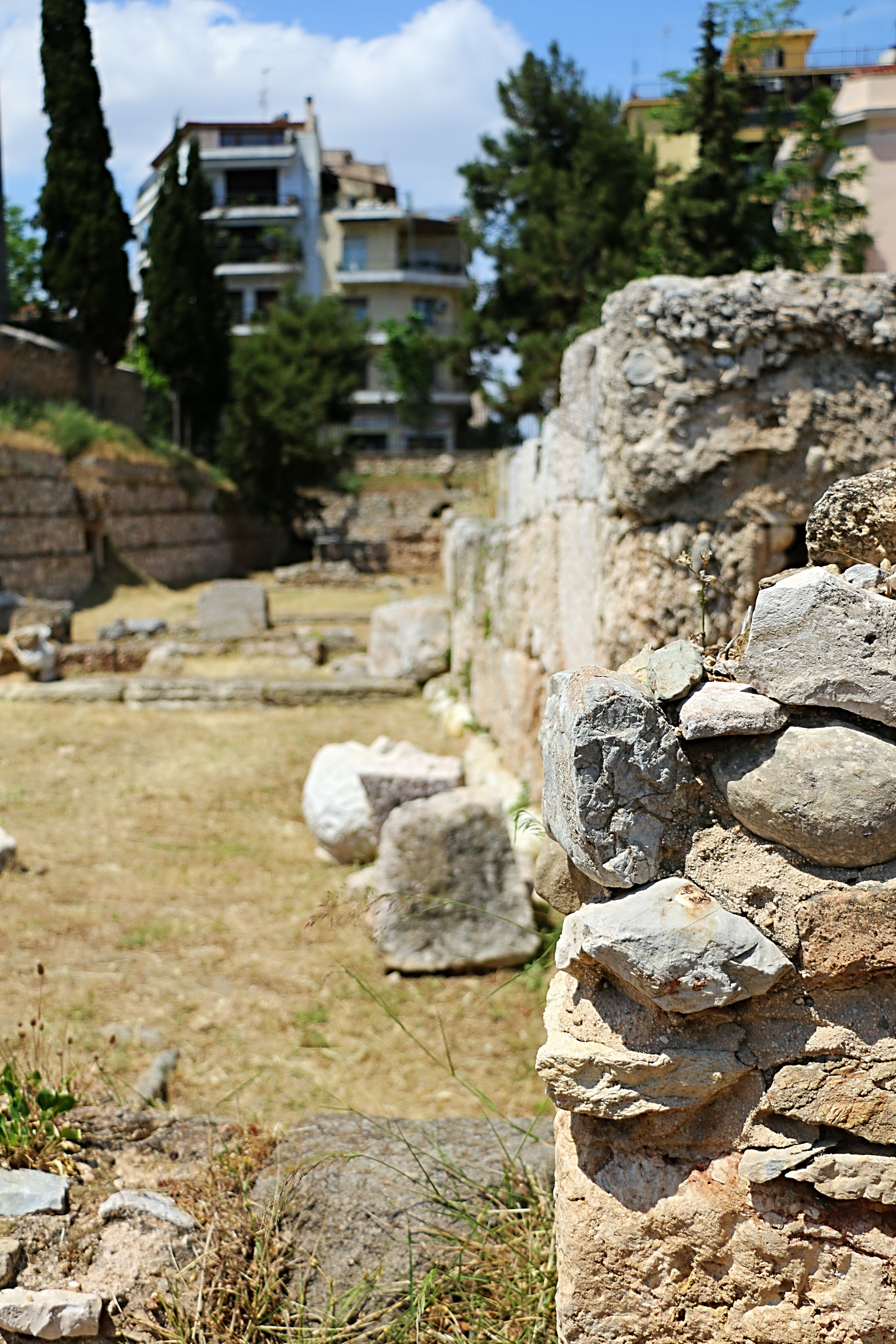
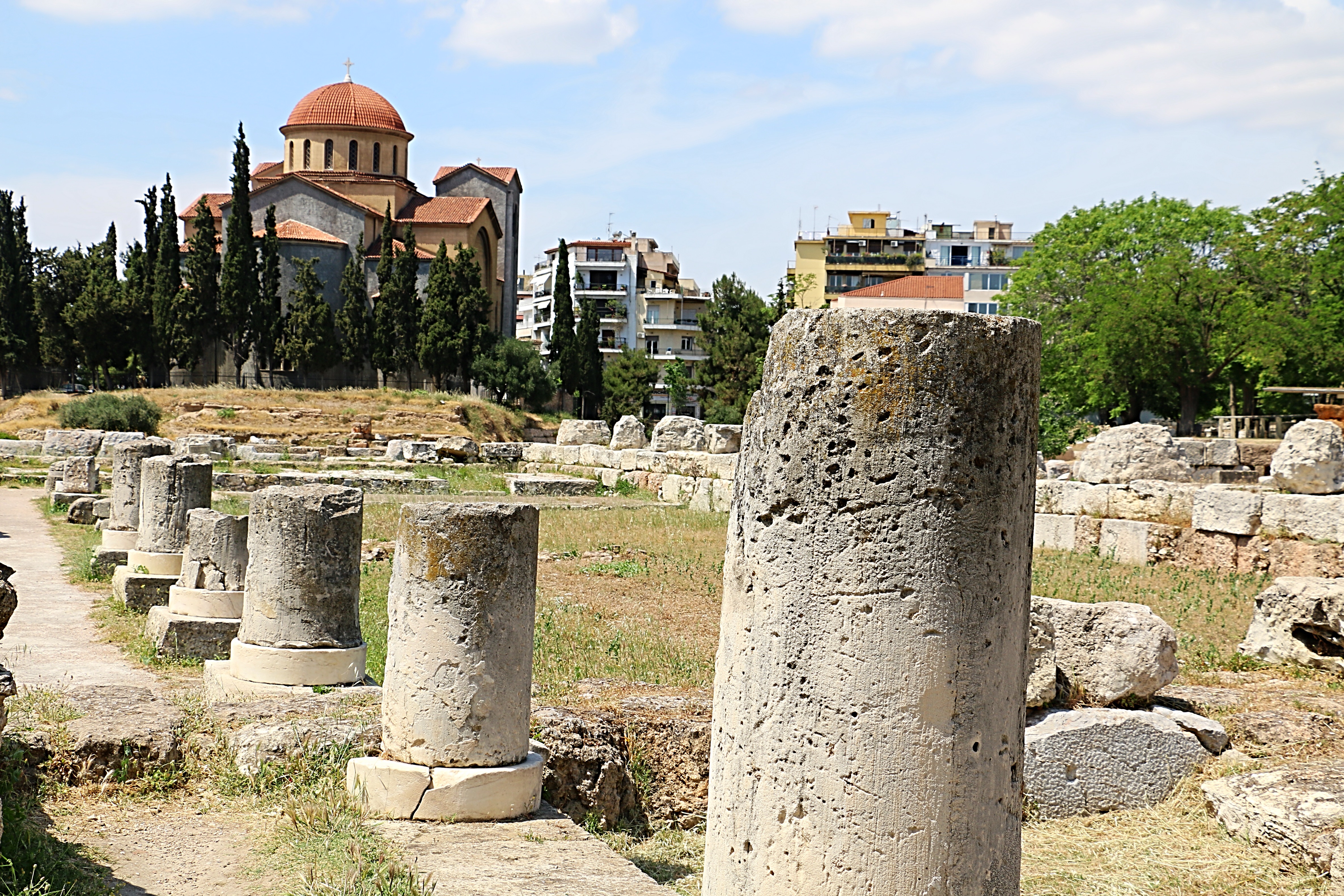
The Pompeion, the preparation site for the Panathenaic procession in honor of Athena, was located between the Sacred Gate and the Dipylon Gate. The original building was destroyed in 88 BC during the conquest and plundering of Athens and the Building of the Warehouses replaced it in the 2nd Century AD. The Eridanos river which once passed through the Sacred Gate still flows beneath the site, having been covered over since the Roman period.
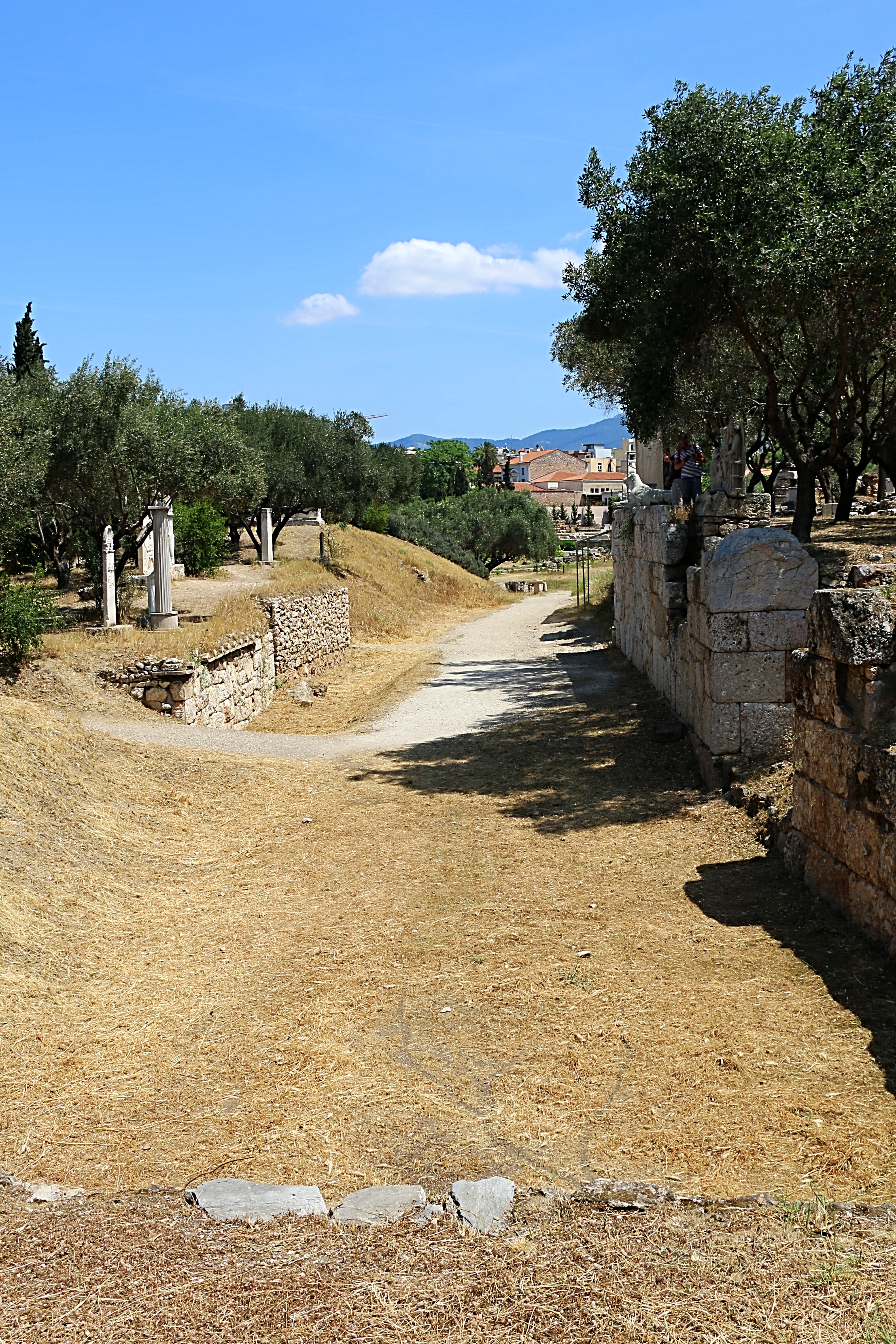
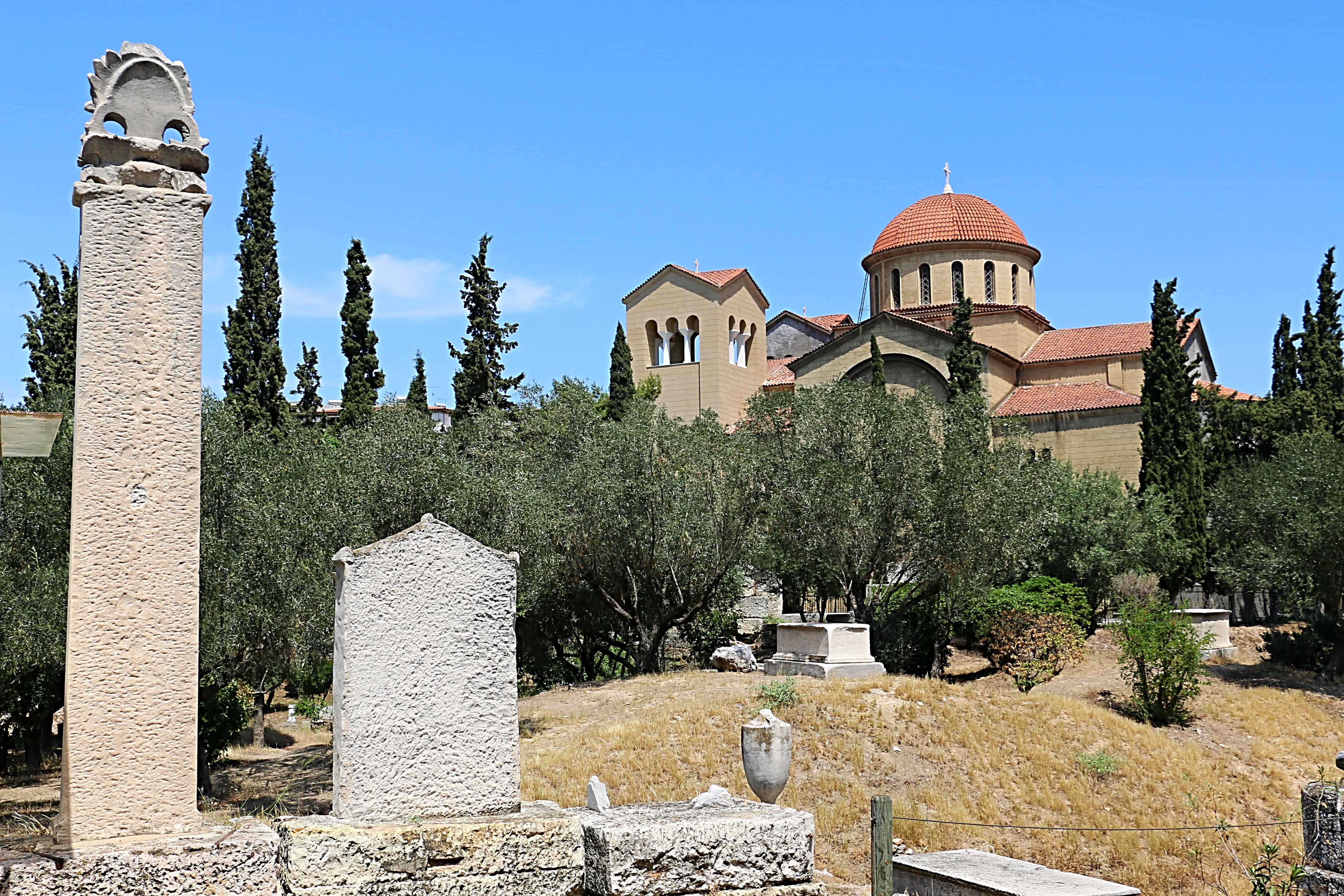
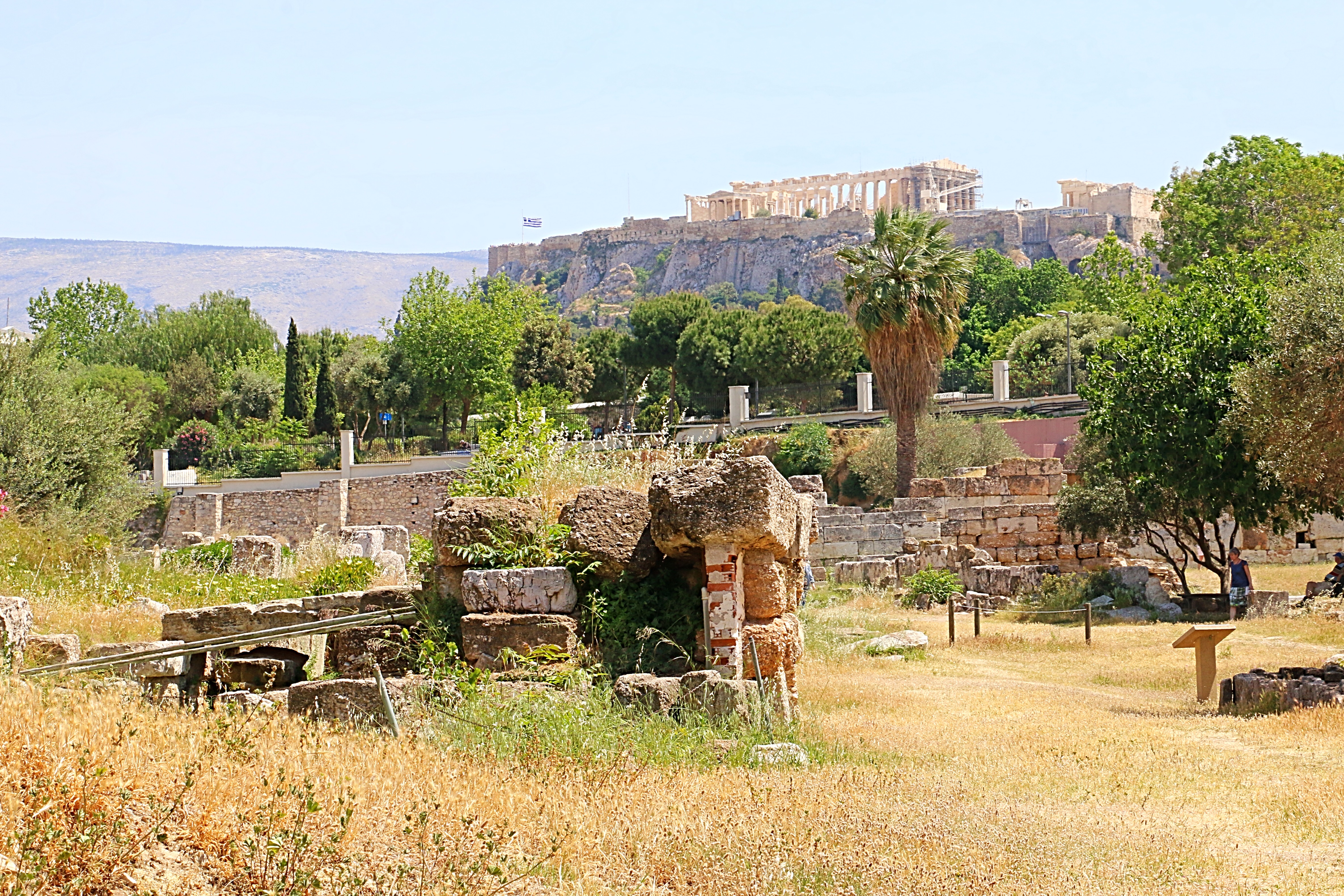
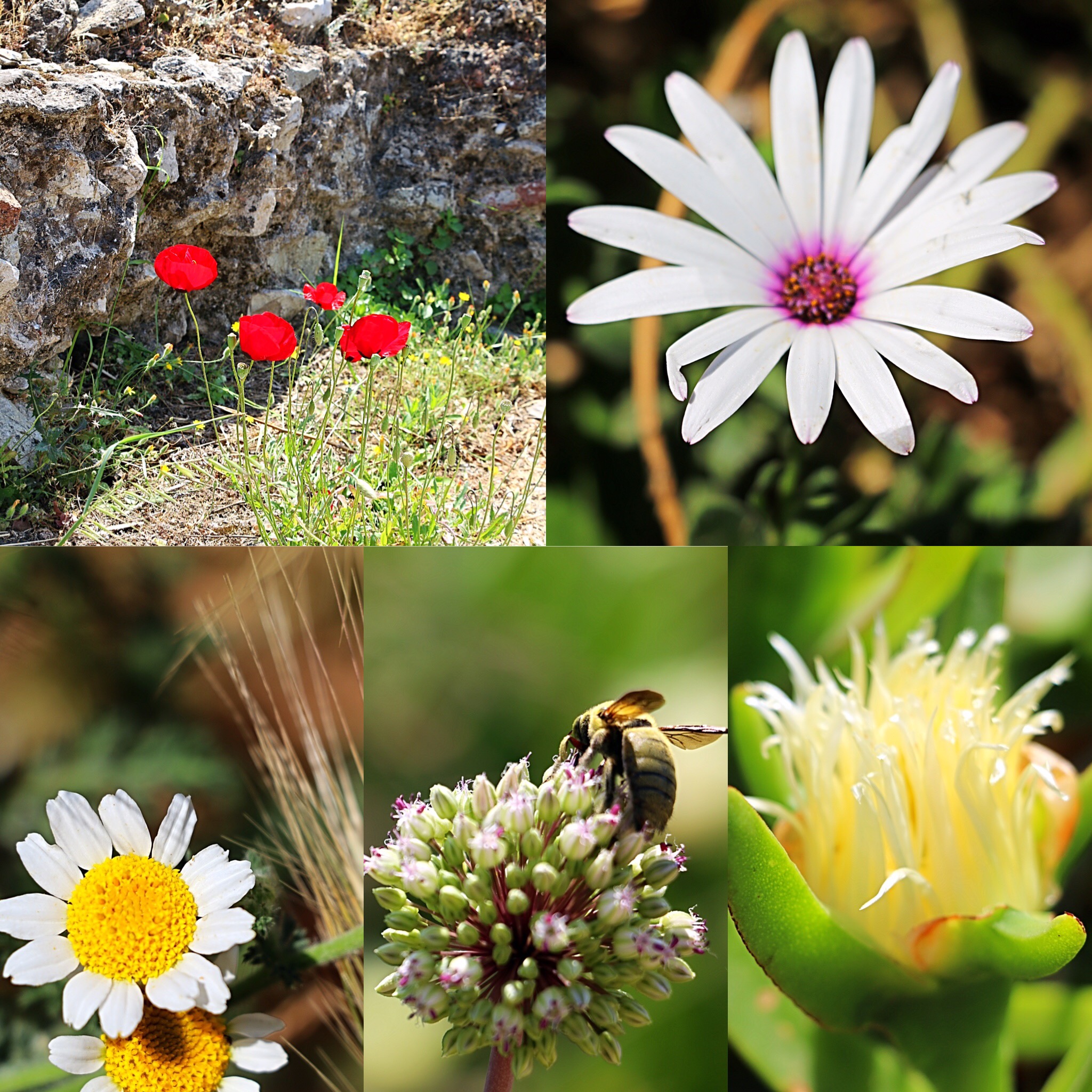
Often overlooked by visitors, Kerameikos is one of the most significant historical monuments in Athens. Comprising much historical value, it assists visitors in understanding the ancient Athenian way of life and therefore is a “must-see”. The church of Agia Triada serves as a beautiful background to the cemetery and outstanding views of many other Athens sites can be seen from Kerameikos, such as the Acropolis and Lycabettus Hill. The area has been planted with Mediterranean vegetation and is large and open. Not crowded and easy to navigate, the cemetery is a wonderful way to spend part of a day in Athens!
- Hours: April 1 to October 31, 08:00-19:30 daily, Monday 11:00-19:30, November 1 to March 31, 08:00-15:00 daily
- Admission: 2€ regular admission, 1€ reduced
- 148, Ermou Street, Athens
- http://www.athensinfoguide.com/open.htm (link to Athens Info Guide which contains information for Athens Museums and Archaeological sites)